There were many types of entertainment in 16th and 18th century for the royal family, Aristocrats and citizens of
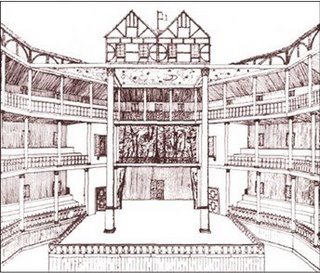
Theater in the 16th;
In the year 1576, James Burbage built the first English theater. It was so successful, that twelve theaters were soon opining to entertain the citizens of
In early English theaters, there was a total absence of painted or movable scenery,
and the parts for women were performed by men or boys, actresses being as yet
unknown. There was Certain typical furniture were used. A bed on the stage
suggested a bedroom, a table covered with tankards, a tavern, a palace; an altar and
a church.
Performances;
Public performances generally took place in the afternoon, beginning about three
o'clock and lasting perhaps two hours. Candles were used when daylight starts to fade.
The beginning of the play was announced by the hoisting of a flag and the blowing of a
trumpet and at the end of the play the actors on their knees thanking the king or
queen. There were two groups of plays in the sixteenth century which belonged neither to
the democratic nor to the pseudo-classical. One of these was the court comedy,
designed especially as a compliment to the queen.
Example of an actress in the 16th century;
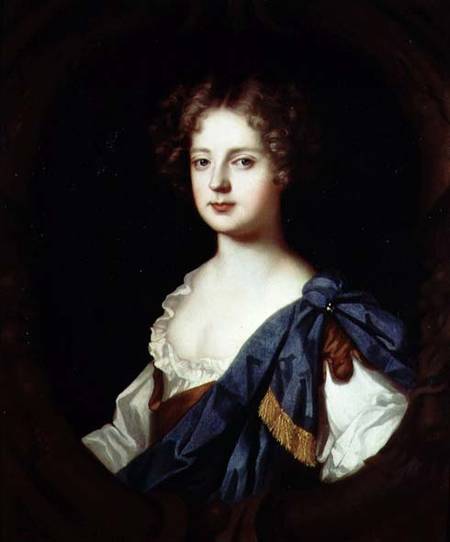
Nell Gwynne;
She was one of the great actresses of her days. She was a woman who walked a fine line between acting and prostitution. Charles the second found women such as her ideal for becoming his mistresses. Nell Gwynne, however, did not let noblemen get the better of her. Gifted with talent and drive, she established herself as a star of the stage in the mid 1600's. Her popularity grew and she was admired by men and women. One theatre critic said that "nature seemed to have qualified Nell Gwynne for the stage''
The court masques in the 16th
One of the most spectacular entertainments of the nobility was the masque, introduced into
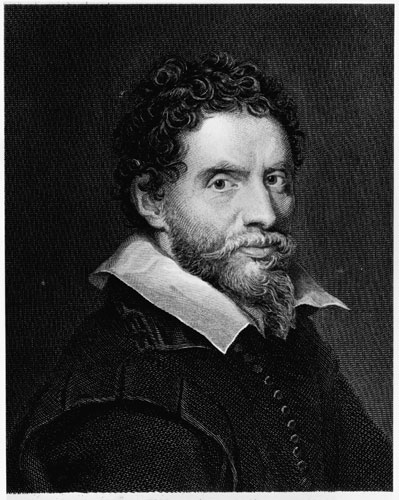
Ben Jonson ;
He was the first who became poet laureate, and devoted his amazing learning, his theatrical sense, and his gift for charming lyrics to the work of perfecting the masque
The court jester;
A jester, joker, jokester, fool, prankster, was a person employed to tell jokes and provide general entertainment to the monarch.
Political significance;
In societies where freedom of speech was not recognized as a right, the court
jester anything he said was taken as "a jest" and "the uttering of a fool" so they could
speak frankly on controversial issues in a way in which anyone else would have been
punished for it . Monarchs understood the usefulness and importance of having such a
person at their side because jesters could also give bad news to the King or Queen that
no-one else would dare deliver. Still, even the jester was not away from punishment
because there is a thin line between saying the judgment in a funny way rather than
stupid and direct one which required him to be far from a fool.
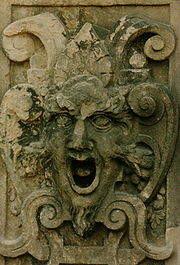
In Renaissance times, aristocratic households in
There were tow types of fools; those of the natural fool type and those of the licensed fool type. The natural fool was seen as innately nit-witted and moronic. In the other hand, the licensed fool was given permission by the court. As a conclusion, both were excused to some how for their behavior the first because he "couldn't help it," and the second by decree.
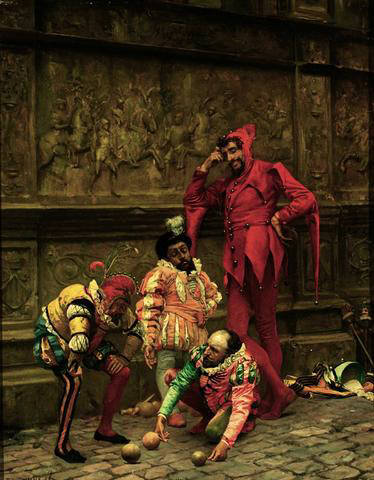
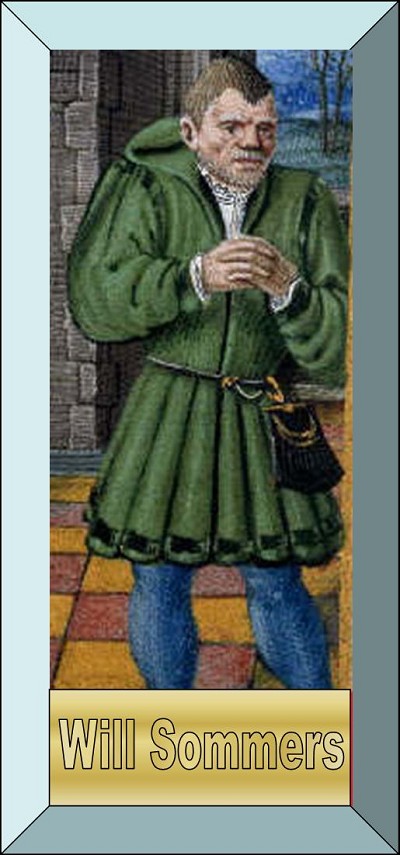
All royal courts in those days employed entertainers and most had professional fools, sometimes called licensed fools. Entertainment included music, juggling, clowning, and the telling of riddles. Henry VIII of England employed a jester named Will Somers.
The end of the court jester tradition;
The tradition of court jesters came to an end in
18th Century Theater;
The theaters established in the wake of Charles II's return from exile in
Once the theater finally reopened, it took a while for the people to attend again. The first plays were about the Civil War. As the theater became more popular the writers wrote and focused on the French culture.
There were two famous theaters built after the theater was reopened. They were the Globe Theater and the Royal on
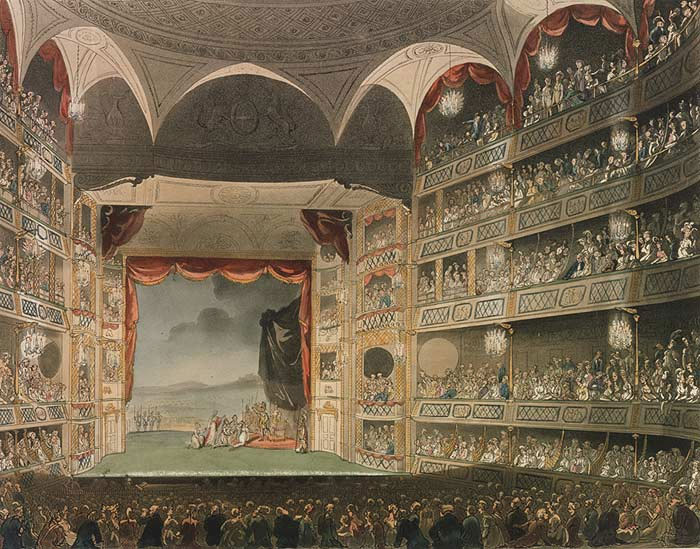
Theater Royal on Drury Lane ; opened on March 23, 1674. The very first theater had burnt to the ground and so the theater took place on open tennis courts for two years. The new theater was considered to be the nicest of all. It was very comfortable to the audience and the actors and actresses also enjoyed acting in it.
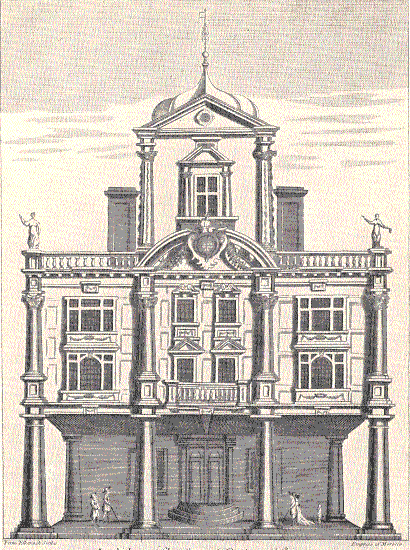
The Dukes Theater; opened on November 9, 1671. Many people thought that the Dukes Theater was the most beautiful and well kept theater of the French actors.
Now that King Charles II was in power he decided to bring back theater but to do it in a very controlled way by only allowing two men to establish theater companies. Davenant and Killigrew were the only two actors that were licensed by the King
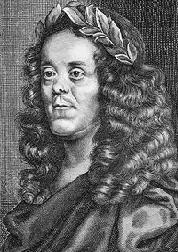
Sir William Davenant
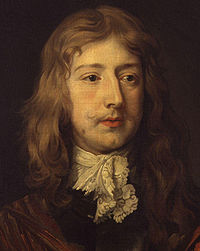
Sir Thomas Killigrew
The role of actresses:
During 18th century, plays were actually being played by women. The women were looked at in the theater as being kind of "easy" and not well established. Everyone knew about the women actresses and they were praised in their business.
The actors & actresses of the 18th century;
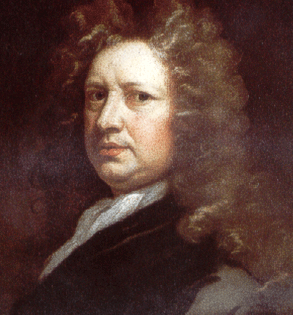
Thomas Betterton;
He was a classic actor-manager and the most famous actor on the early eighteenth-century English stage. He played against Elizabeth Barry, these tow on stage became an audience favorite. He also was the leading English actor of the Restoration Theater. Betterton made his debut in 1660 and in 1661 was hired by Sir William Davenport for the Duke's Company.
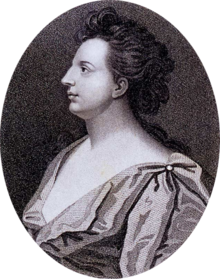
Elizabeth Barry:
She was among the most prestigious actresses of the period. She was known to be a jealous actress, and there are several records of hostile incidents between her and other well-known actresses. Many playwrights wrote their tragic heroines with her in mind, such as Nathaniel Lee. Barry joined the Duke's Company in the late 1670's, when her partnership with Thomas Betterton first began. The pair was an immediate success, and Barry was extolled for her emotional capacity as an actress above all things although she was not beautiful.
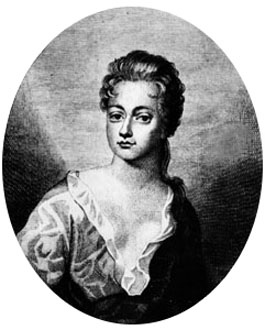
Anne Bracegirdle:
She was another well known actress of the time. She established herself as a principle actress in the respected company of Christopher Rich. She was quite competitive with the others in her company. Bracegirdle in order to gain herself more esteem, she took on the role of being the "virgin actress" of English theatre
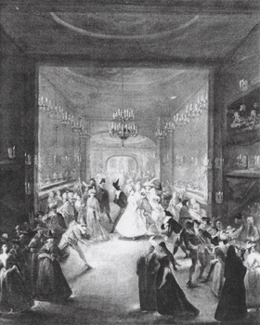
Masquerade in the 18th century;
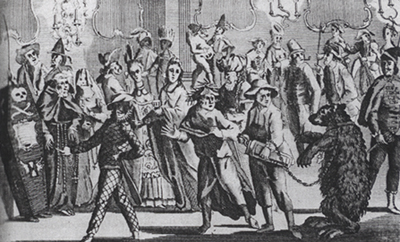
Masquerade played an importance role in English social life in the eighteenth century. It often called as "The World Upside-Down" There was many contradictions about masquerades and many opinions about them by the society, there were many interpretations of masquerades by authors in eighteenth-century fiction.
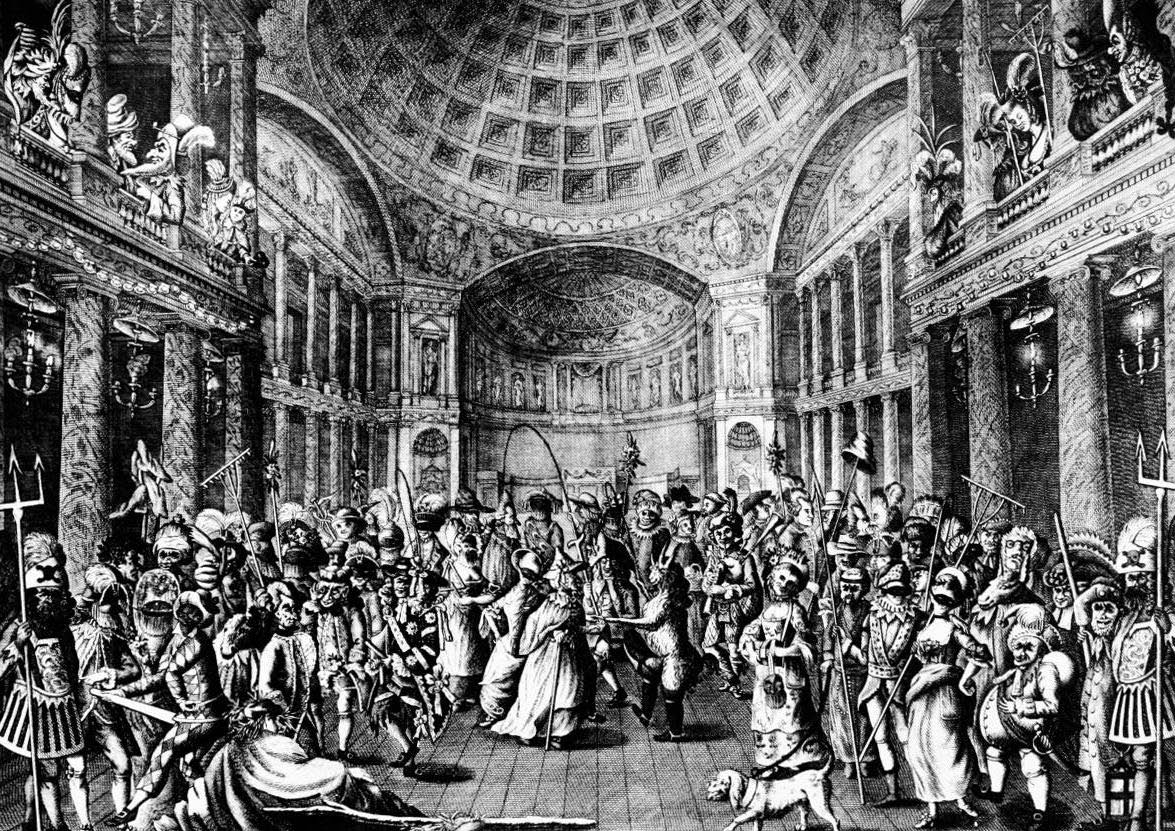
The English masquerades of the eighteenth century often called as the "carnivals behind closed doors" the masquerade offered an opportunity for the classes to get long themselves on a personal level.
Some novelists used the masquerades as a comic device to add plot twists and to show something new about a character, while others used it as a character teaches a moral lesson. But masquerades were more used as a device to put the character against social rebellion, or to test a character's virtue. Despite the different perspectives of the authors took on masquerades, they were always associated with social change. This was a common in many eighteenth century novels that is why masquerades fit in easily.
Masquerades brought the novel to a new level of expelling the social disruption or differences. Therefore, masquerades played a great role in the transformation of the novel over the eighteenth century.
Masquerades showed many interesting functions in eighteenth century literature and paved the way for new methods of illustrating social change in this period. They were shaping and transforming the novel and the purpose was to serve the eighteenth-century culture.
Written by;
Remas Abrahim Al Abduallah ,Shaden Mohmad Almazroo ,Sarah Abrahim Alhowamil , Abeer Mortada ,Aseel Alturki ,Reem Alzahrani ,Rogyah Alatas and Salwa Alamery.
